Weather Alert in North Carolina
Special Weather Statement issued March 22 at 2:15PM EDT by NWS Raleigh NC
AREAS AFFECTED: Person; Granville; Vance; Warren; Forsyth; Guilford; Alamance; Orange; Durham; Franklin; Davidson; Randolph; Chatham; Wake; Stanly; Montgomery; Moore; Lee; Harnett; Anson; Richmond; Scotland; Hoke; Cumberland
DESCRIPTION: The combination of dry fine fuels, relative humidities around 25 to 30 percent, northerly wind gusts around 20 to 25 mph, and warm temperatures will lead to an increased risk for the rapid spread of wildfires on Monday across the Piedmont and Sandhills of central North Carolina. Residents and visitors are urged to properly dispose of cigarette butts, matches, and any other flammable items in appropriate containers. Additionally, exercise caution if operating any equipment that could create sparks and keep vehicles off of dry grass. Most dry grasses, dead leaves, and other tree litter could easily ignite and spread fire quickly. Lastly, remember to obey local burn bans. For more information about wildfire danger, burn restrictions, and wildfire prevention and education, please visit the North Carolina forestry or environmental protection website.
INSTRUCTION: N/A
Want more detail? Get the Complete 7 Day and Night Detailed Forecast!
Current U.S. National Radar--Current
The Current National Weather Radar is shown below with a UTC Time (subtract 5 hours from UTC to get Eastern Time).

National Weather Forecast--Current
The Current National Weather Forecast and National Weather Map are shown below.

National Weather Forecast for Tomorrow
Tomorrow National Weather Forecast and Tomorrow National Weather Map are show below.

North America Water Vapor (Moisture)
This map shows recent moisture content over North America. Bright and colored areas show high moisture (ie, clouds); brown indicates very little moisture present; black indicates no moisture.

Weather Topic: What are Contrails?
Home - Education - Cloud Types - Contrails
 Next Topic: Cumulonimbus Clouds
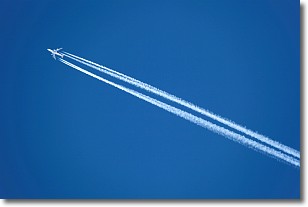
A contrail is an artificial cloud, created by the passing of an
aircraft.
Contrails form because water vapor in the exhaust of aircraft engines is suspended
in the air under certain temperatures and humidity conditions. These contrails
are called exhaust contrails.
Another type of contrail can form due to a temporary reduction in air pressure
moving over the plane's surface, causing condensation.
These are called aerodynamic contrails.
When you can see your breath on a cold day, it is also because of condensation.
The reason contrails last longer than the condensation from your breath is
because the water in contrails freezes into ice particles.
Next Topic: Cumulonimbus Clouds
Weather Topic: What are Cumulus Clouds?
Home - Education - Cloud Types - Cumulus Clouds
 Next Topic: Drizzle
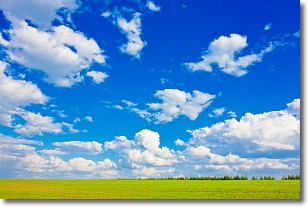
Cumulus clouds are fluffy and textured with rounded tops, and
may have flat bottoms. The border of a cumulus cloud
is clearly defined, and can have the appearance of cotton or cauliflower.
Cumulus clouds form at low altitudes (rarely above 2 km) but can grow very tall,
becoming cumulus congestus and possibly the even taller cumulonimbus clouds.
When cumulus clouds become taller, they have a greater chance of producing precipitation.
Next Topic: Drizzle
Current conditions powered by WeatherAPI.com